
Let’s cut to the chase—if you’ve ever reached for a plastic bag at the grocery store and hesitated for half a second, you’ve probably thought about swapping to reusable bags. As someone who’s spent years working with cotton bags (I run a small supplier, so I’ve seen every kind of question folks throw at these bags), I can tell you this isn’t just another “eco trend.” This is a shift that actually makes sense, for your wallet, the planet, and even your daily routine. Let’s break down the real benefits—no greenwashing, just the kind of stuff I tell my own regular customers.
First up, let’s talk about the obvious one everyone mentions, but let’s get specific: plastic is terrible for the planet, and cotton bags are a way better alternative. I know, I know—you’ve heard it a million times. But here’s the data that actually sticks. A single-use plastic bag takes up to 1,000 years to decompose in a landfill, right? And even the “biodegradable” plastics? Most break down into microplastics that end up in our oceans, soil, and even the food we eat. I’ve talked to oceanographers (no stuffy scientists, just the ones who dive for fun and study the mess) who say plastic bags are one of the top 10 items found in marine debris. They wrap around coral, choke sea turtles, and get eaten by fish—stuff that hurts entire ecosystems, not just a single bag.
Now, what about cotton bags? Wait, I know some people push back here and say, “Cotton uses too much water!” Yeah, conventional cotton does—but we’re not talking about conventional. Our line includes Custom Cotton Tote Bag options, and a lot of customers go for Organic Cotton Bag with String too. Organic cotton uses 91% less water than conventional cotton, per the Textile Exchange. That’s because it doesn’t need the synthetic fertilizers and pesticides that conventional cotton relies on, which also means less toxic runoff into rivers. And here’s the kicker: to get the environmental benefit, you just need to use a cotton bag for about 50 uses. Most people do that in a month or two—way before you’d even consider tossing it. Compare that to a plastic bag, which you use once and throw away (or, more likely, lose under your car seat or in a park bin). This isn’t just “feeling good”—it’s actual math that checks out.
Next, let’s talk about something that matters to you, not just the planet: your wallet. Plastic bags might seem free at the store, but they’re not really free. Studies in the U.S. show taxpayers spend around $11 billion every year on plastic bag cleanup—from picking them off beaches, unclogging drains, and fixing the damage they do to wildlife. On top of that, more and more cities are banning or taxing plastic bags. Last year, 120+ countries had some kind of plastic bag ban or fee, and that number’s only going up. So if you use plastic, you’re either paying a small fee every time you shop or contributing to a problem that costs you money in taxes.
Cotton bags, on the other hand? Even a quality one like our custom totes or organic string bags is a one-time purchase. It’ll last for years—we’ve got customers who’ve used the same bag for 5+ years, no frays, no tears, still holding strong. And not only do you avoid plastic fees, you actually save money. Think about it: if you buy 5 plastic bags a week at $0.10 each, that’s $26 a year. That’s a coffee run or a new snack—stuff you actually want. I always tell new clients, “Once you factor in not buying plastic bags, your cotton bag pays for itself in no time.” It’s not a “sustainable sacrifice”—it’s a smart move.
Now, let’s get real about daily use, because a bag that falls apart after two grocery runs is useless. That’s where cotton bags win big. Plastic bags tear if you stuff too many apples in them or carry a heavy jug of milk. I’ve seen people hold their groceries together with rubber bands at checkout because their plastic bag broke. Cotton bags? They’re durable—we use heavy-weight, tightly woven fabric for our custom and organic options, so they can hold 10-15 pounds easily. That’s enough for a full grocery run, your work laptop, a beach towel, or even kid’s soccer gear. And they’re not just strong—they’re practical. They fold up small, so you can toss one in your purse, backpack, or car glove compartment and forget about it until you need it. No more scrambling for a plastic bag at the last minute, no more running back to your car because you left your reusable bag at home. It’s little stuff like that that makes cotton bags fit into your life, not the other way around.
Wait, let’s not sleep on health and cleanliness, either. Plastic bags are porous—they trap bacteria and odors over time. If you use a plastic bag for raw chicken one week and then veggies the next, you’re pretty much asking for cross-contamination. Cotton bags, though? You can just toss them in the washing machine. My customers tell me they wash theirs every week when they do laundry, and they come out smelling fresh, no leftover food smells. Even our Organic Cotton Bag with String is easy to clean—swish it out in the sink and hang it to dry, no fancy steps needed. And if you’re into zero-waste or minimalism, that’s a bonus, but it’s also a real health win for you and your family.
Oh, and another thing—customization! If you’re a business, a local café, a school, or even someone who wants a bag that matches their style, cotton bags are perfect. Our Custom Cotton Tote Bag service lets you print your logo, a quote, or even a fun design. I worked with a local bookstore last year who printed their store name on hundreds of totes—they gave them out to regulars, and now they’re walking ads all over town. It’s a low-cost, high-impact way to build brand awareness, and it’s way more eco-friendly than handing out plastic tote bags that get used once. Even if you’re just buying for your own family, a cotton bag that says “Mom’s Grocery Run” or a funny meme is way better than the plain plastic the store gives you.
Now, I know what you’re thinking: “Is there any downside?” Maybe you’ve heard people say cotton bags have a bigger carbon footprint to make. Yeah, early on, that was true for conventional cotton, but modern farming practices and manufacturing have flipped that. When you use organic cotton, the carbon emissions are way lower than plastic. The International Union for Conservation of Nature says that the carbon footprint of a cotton bag used 50 times is 70% lower than a plastic bag used once. And if you use it more? It gets even better. A cotton bag used 100 times is 90% lower carbon than plastic. It all comes back to how many times you use it—and since cotton bags last for years, that’s easy to hit.
Here’s the thing I love most about working with cotton bags: they’re not just a trend that fades. They’re a tool that actually solves small, daily problems while helping the planet. I’ve had regular customers come back and tell me they stopped using plastic bags entirely after switching to ours—they said it’s easier, cheaper, and they feel good about it. It’s not about being perfect; it’s about swapping one small thing that makes a difference.

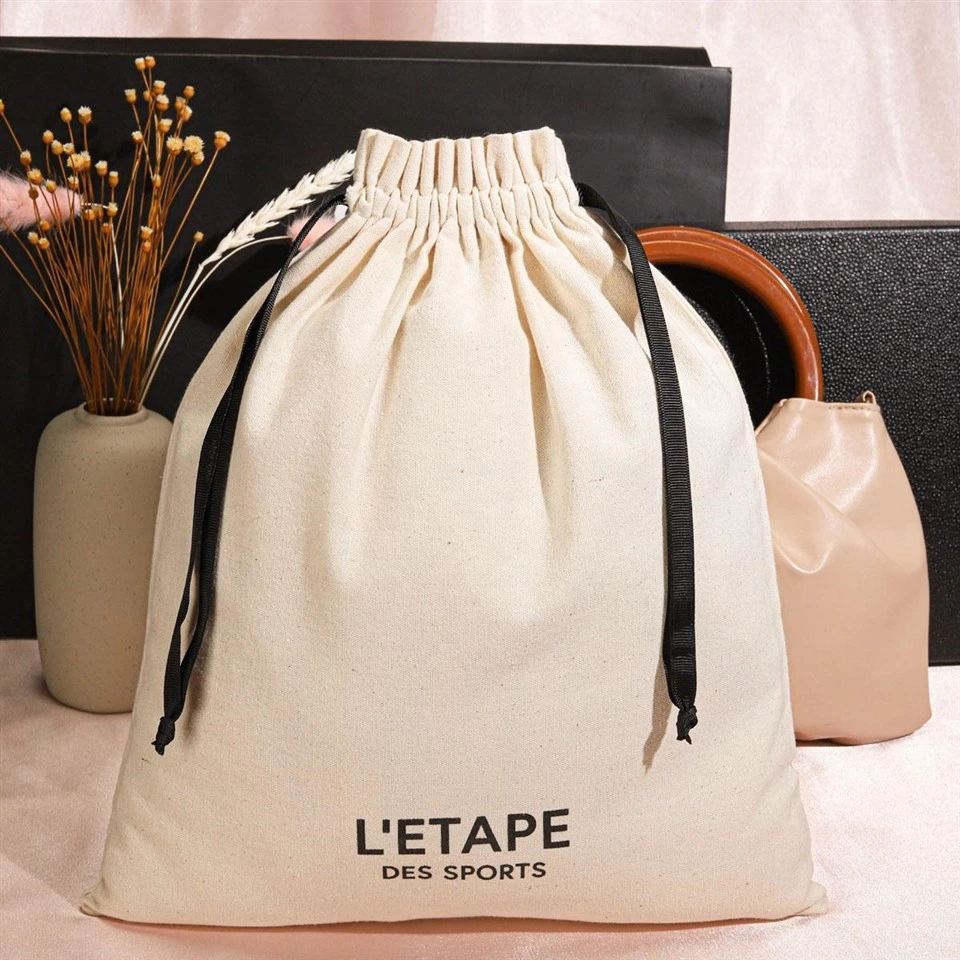
If you’re ready to make the switch, or if you’re a business looking to order bulk cotton bags for your customers or team, I’m here to help. We’ve got a range of options—from durable Custom Cotton Tote Bag for heavy loads to lightweight Organic Cotton Bag with String for when you don’t want something bulky. Whether you need a few bags for your household or thousands for a promotion, just reach out to chat. No pushy sales talk, no confusing jargon—just honest answers and quality bags that work.
At the end of the day, small choices add up. That cotton bag you bring to the store every week? It’s not just holding your bread and milk—it’s keeping plastic out of the ocean, saving you money, and making your daily routine a little easier. I’ve seen it firsthand, and I know it works. So next time you’re at the store, reach for that cotton bag—you won’t regret it.
References
- Textile Exchange. (2023). Organic Cotton Sustainability Report.
- International Union for Conservation of Nature. (2022). Reusable Bags: Comparing Environmental Impacts.
- Ocean Conservancy. (2023). Annual Global Marine Debris Report.
- U.S. Environmental Protection Agency. (2022). Solid Waste Management: Plastic Bags.