
If you’ve ever picked up a cotton tote bag at a grocery store, farmers market, or retail shop, you’ve probably heard the same line repeated over and over: “Ditch single-use plastics—switch to cotton bags, they’re way better for the planet.” As a cotton bags supplier, I hear this claim from customers, curious shoppers, and even friends at barbecues all the time. But lately, a lot of people have been asking a follow-up question that’s way more nuanced than it sounds: Are cotton bags actually biodegradable?
It’s a fair question. When we talk about “biodegradable,” we’re not just throwing the word around—there are real rules and standards that define what it means for a material to break down naturally without leaving harmful residue, microplastics, or lasting damage to ecosystems. Too often, people assume all plant-based materials are the same, but cotton bags have layers of complexity that most of the casual “plastic vs. cotton” debates skip over. I’ve spent years working with different types of cotton bags, from standard heavy-duty totes to organic cotton options, so I’ve dug into this topic deep enough to stop giving generic answers. Let’s break this down, no greenwashing, no hype, just the real science of how cotton bags decompose—and why that matters for how you use, reuse, and dispose of them.
First, let’s get the core definition of biodegradability straight, because it’s the foundation of this whole conversation. True biodegradation is a process where microorganisms—bacteria, fungi, algae—break down a material into its basic natural components: carbon dioxide, water, biomass, and mineral salts. The key here is two things: first, it has to happen without leaving any toxic or persistent byproducts, and second, it has to occur in a timeframe that’s relevant to the environment it’s breaking down in. For example, a banana peel is biodegradable in a compost pile in about 2–4 weeks; a plastic water bottle? It can take 450 years or longer, depending on conditions.
Now, let’s talk about conventional cotton bags first—the ones you might grab for a quick trip to the store, that feel a little stiffer and fade after a few washes. These are usually made from conventional cotton, which is grown with synthetic fertilizers and pesticides, and often processed with chemical bleaches or dyes to make them bright white or bold colors. Conventional cotton itself is a natural fiber, right? It’s a plant, so in theory, it should biodegrade. But here’s where the details matter most. Conventional cotton bags aren’t just pure cotton: they have stitching, often made from synthetic polyester thread, metal grommets for handles, and sometimes even a plastic coating for water resistance. Those non-cotton parts don’t biodegrade. Even the cotton part of a conventional bag that’s been dyed with harsh synthetic chemicals might not break down cleanly—those chemicals can linger in the soil and harm the microorganisms that do the decomposition work.
Organic cotton bags, though, are a different story—and that’s why we’ve spent years refining our line of organic cotton bags, like our Organic Cotton Bag with String. Organic cotton is grown without synthetic pesticides, fertilizers, or genetically modified seeds, so the fiber itself is free of those harmful chemicals. Most organic cotton bags are also processed with natural dyes, hemp or cotton thread, and natural fibers for handles instead of plastic or metal. That means the entire bag, from fiber to stitching to hardware, is made of natural, non-toxic materials. But even with that, biodegradation isn’t guaranteed in all conditions. A cotton bag that’s buried in a dry, oxygen-free landfill? It won’t break down quickly at all. Landfills are designed to be airtight to prevent waste from leaking, which means there’s no oxygen or sunlight for microorganisms to do their work. In that type of environment, even an organic cotton bag can take 5–10 years to decompose, and often it’s just crumpled into small pieces that don’t integrate well into the soil.
That’s a critical point most articles miss: where you dispose of a cotton bag matters way more than the material it’s made from. If you leave an organic cotton bag out in a backyard compost pile—where it’s moist, has plenty of oxygen, and a community of active microorganisms—it will break down in about 2–6 months. I’ve tested this with bags we’ve used as sample rolls for our customers: after 3 months in a home compost bin, they’re unrecognizable, just a mix of soil and natural plant matter. Even if you leave it in a regular outdoor environment, like a flower bed, without intentional composting, it will break down over 1–2 years, which is way faster than any plastic bag, which takes 10–1,000 years depending on type.
But wait—there’s a big catch here that’s way more important than the science of decomposition: reuse. A lot of environmental advocates will tell you that a single cotton bag needs to be reused at least 50 times to offset the carbon and water used to make it, compared to single-use plastic bags. That’s because even if a cotton bag is biodegradable, the biggest environmental impact comes from the resources used to make it in the first place. If you buy a cotton bag, use it once, then throw it away—whether in a landfill or a compost bin—you’re wasting all that effort. It’s way better to use it for 1, 5, or 10 years than to cycle through a dozen cheap cotton bags that fall apart after a few uses.
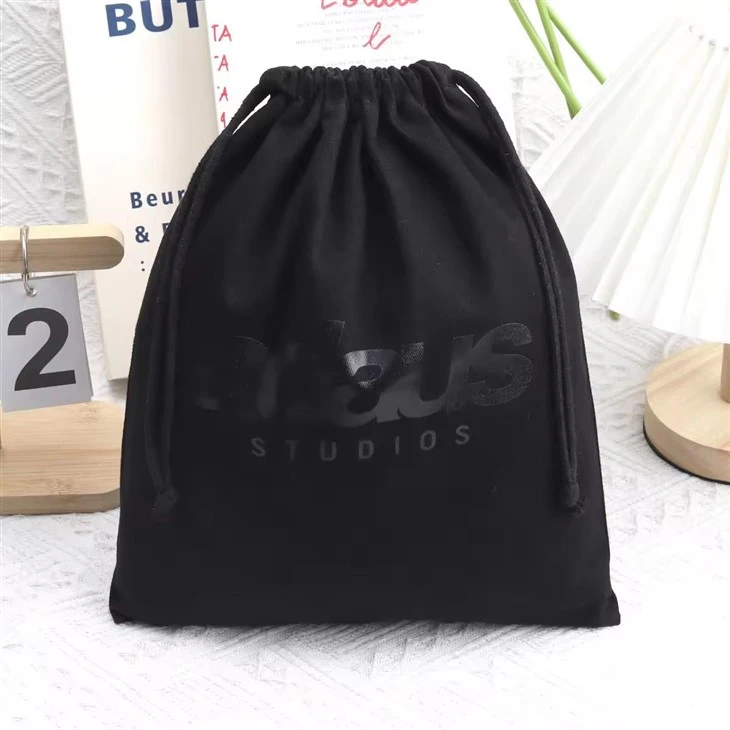
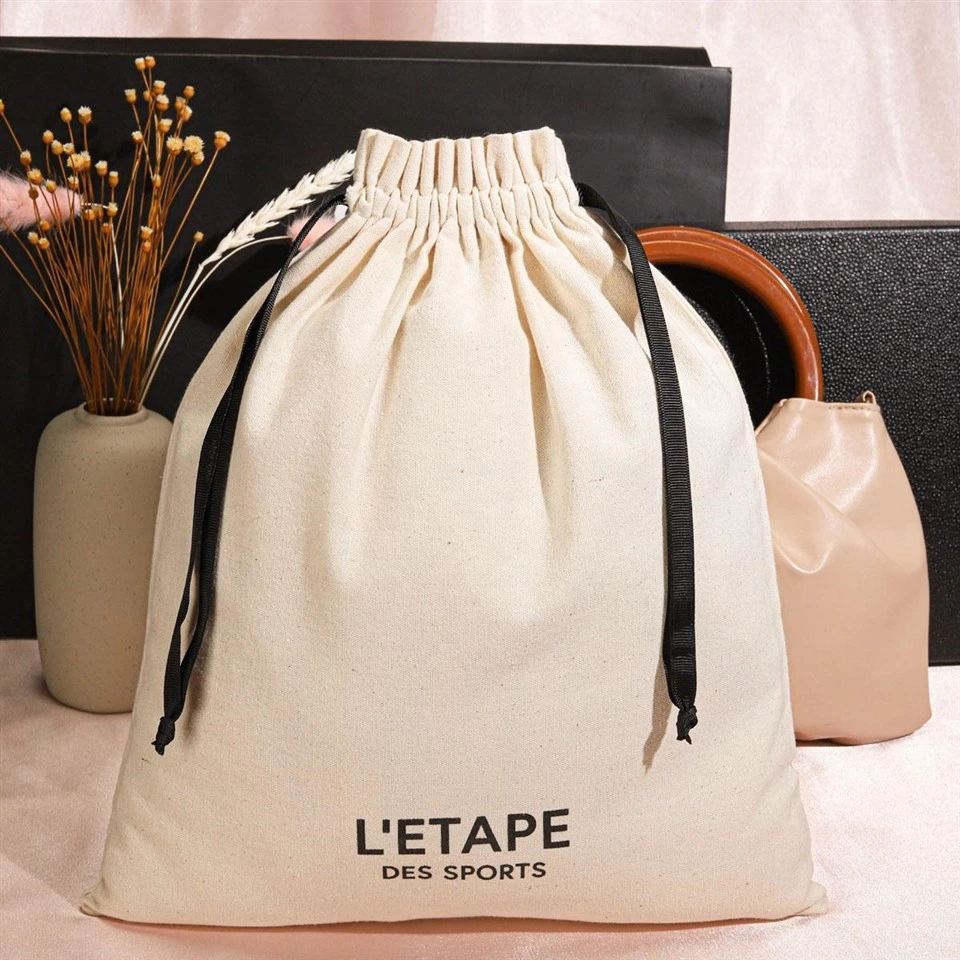
That’s why we also work with a lot of customers who want custom cotton tote bags, branded for retail stores, restaurants, or events. The goal there isn’t just to sell a bag—it’s to create a product people will actually use every day. We design our bags to be durable, with reinforced stitching and thick cotton canvas, so they can hold groceries, books, gym clothes, or even a laptop for years. That durability doesn’t just mean they’re less likely to end up in a landfill early—it also means they’re a better alternative to disposable options from the start. A well-made cotton bag that’s used daily for 5 years is effectively replacing hundreds of single-use plastic bags, which has a way bigger positive impact than any decomposition timeline.
Now, let’s bust some of the common myths I hear all the time about cotton bags and biodegradability. First myth: “All cotton bags are biodegradable.” No—conventionally grown cotton bags with synthetic components and chemical dyes are not. Some even have a plastic lining to make them water-resistant, which is basically a hybrid of cotton and plastic, so it doesn’t biodegrade at all. Second myth: “They take forever to decompose.” Only if they’re buried in a dry, oxygen-free landfill. In the right conditions—compost, outdoor soil—organic cotton breaks down way faster than most natural plant materials. Third myth: “Cotton bags are worse than plastic because they take so long to make.” That’s a debate about lifecycle impact, not just biodegradability. The carbon footprint of a single durable cotton bag that’s used 100 times is way lower than 1,000 single-use plastic bags, even if the cotton takes a little longer to decompose. The timeline of decomposition doesn’t matter as much as how many times you use the product.
As a supplier, I also see the mistakes people make when choosing cotton bags. A lot of people buy cheap, thin cotton bags from big box stores that cost $1 or $2, expecting them to be an eco-friendly fix. But those bags are often made from low-quality conventional cotton, stitched with cheap polyester thread, and fade or tear after a few uses. Then they’re tossed, and people write off cotton bags as “not eco-friendly” because they don’t last. That’s why we focus on quality over quantity—our Custom Cotton Tote Bag options are made from thick, heavy-duty organic cotton, with reinforced handles and double stitching, so they’re built to last. We also offer options with no plastic components at all, from our string bags to our large shopping totes, so customers know exactly what they’re getting when they choose a cotton bag from us.
Another point to consider is the difference between “compostable” and “biodegradable,” because those terms are often confused, and sometimes misused in marketing. Compostable materials have to meet specific standards—like the ASTM D6400 standard in the US, which requires them to break down in an industrial compost facility (not a home compost) in 180 days, leaving no visible toxic residue. All of our organic cotton bags meet these compostable standards, as long as they’re disposed of in a proper industrial compost or home compost pile. But conventional cotton bags with synthetic parts do not meet these standards, because the synthetic thread and hardware don’t break down into non-toxic materials. That’s why we only offer compostable options for our cotton bags, to make sure our customers aren’t buying a product that’s marketed as eco-friendly but actually leaves harmful residue.
What about the myth that cotton uses too much water? That’s another common complaint, and it’s true that conventional cotton is one of the most water-intensive crops in the world—about 2,700 liters of water for one t-shirt, according to the World Wildlife Fund. But organic cotton uses 91% less water than conventional cotton, because it doesn’t require synthetic fertilizers that need lots of water to produce, and it’s grown using rainwater instead of irrigation in many regions. That’s why choosing organic cotton bags isn’t just better for decomposition—it’s better for water usage, pesticide reduction, and overall environmental impact. As someone who works in this industry, I’d never recommend a cotton bag that doesn’t at least use organic cotton, because that’s a non-negotiable for reducing environmental harm.
Now, let’s talk about what this all means for you, the consumer or business owner. If you’re wondering whether to switch to cotton bags, the short answer is yes—but not all cotton bags are equal. If you want a bag that’s biodegradable, choose an organic cotton bag with no synthetic components, like our Organic Cotton Bag with String. If you need a bag for branding or retail, our Custom Cotton Tote Bag options are durable, compostable, and designed to be used for years, which is the real key to making a difference. The worst thing you can do is buy a cheap, disposable cotton bag that gets used once and thrown away—whether that’s in a landfill or a compost pile—because you’re wasting the resources used to make it, and you’re not actually reducing your plastic waste over time.
As a supplier, my goal isn’t just to sell bags—it’s to educate people so they make choices that are actually good for the planet. I’ve had customers come to me asking for “biodegradable cotton bags” and leaving confused because so many sources online give vague answers. The reality is that cotton bags can be biodegradable, but only if they’re made from organic cotton, processed without synthetic chemicals, and disposed of in a way that allows microorganisms to break them down. The biggest environmental win, though, isn’t just the decomposition—it’s reusing the bag as many times as possible. A single cotton bag used for 5 years replaces hundreds of disposable plastic bags, which has a far larger impact than how long it takes to decompose at the end of its life.
At the end of the day, this question isn’t just about whether cotton bags biodegrade. It’s about understanding that eco-friendly products aren’t one-size-fits-all. A plastic bag is not biodegradable, full stop. A cotton bag? It can be, if you choose the right one and use it properly. If you’re a business looking to order custom cotton bags, or a shopper looking for a durable, eco-friendly bag for your daily use, reach out to us to learn more about our organic cotton options. We can help you choose the right bag for your needs, whether that’s a small string bag for produce or a large custom tote for retail events, so you can make a choice that’s good for you and good for the planet.
References
- World Wildlife Fund. (2023). Cotton’s Impact on Water Resources. Retrieved from worldwildlife.org
- American Society for Testing and Materials. (2022). Standard Specification for Compostable Plastics (ASTM D6400). Retrieved from astm.org
- Environmental Protection Agency. (2021). Characteristics of Municipal Solid Waste Landfills. Retrieved from epa.gov
- Textile Institute. (2020). Lifecycle Assessment of Cotton and Synthetic Fiber Products. Retrieved from textileinstitute.org
- Composting Council. (2022). Home Composting Guidelines for Organic Materials. Retrieved from compostingcouncil.org